Tips from the Field
Agronomy Update | Cutworms
Cutworms are not easily predicted, and early season scouting to catch infestations is essential. The most common species of cutworms in Alberta are red-backed, pale western, and dingy cutworms. Red-backed cutworms are surface feeders. Pale western cutworms are subterranean feeders and favor dry, lighter texture soils. Dingy cutworms feed on foliage rather than cutting stems. All three over winter as eggs and hatch in warm soils in May and early June.
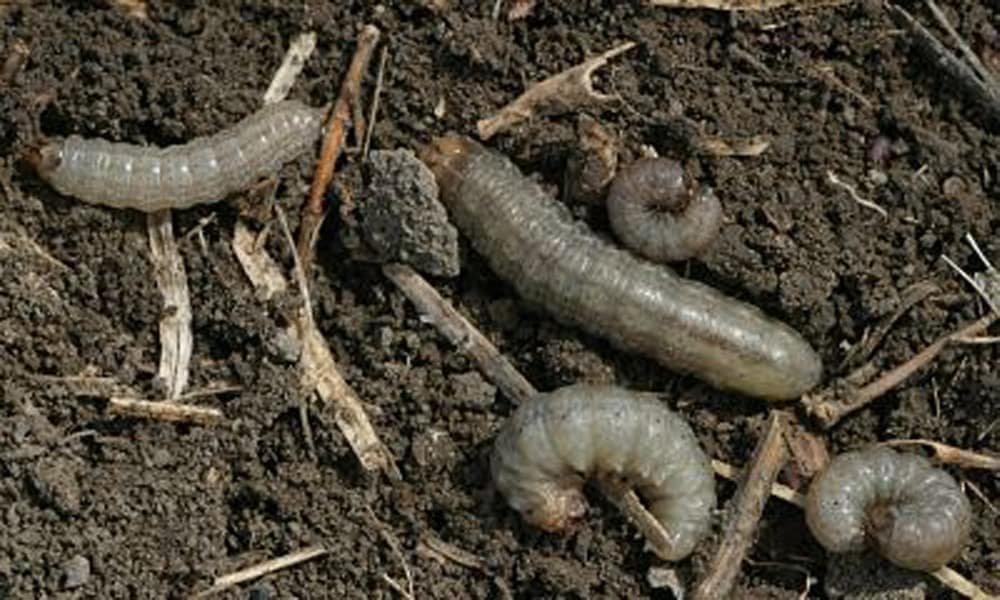
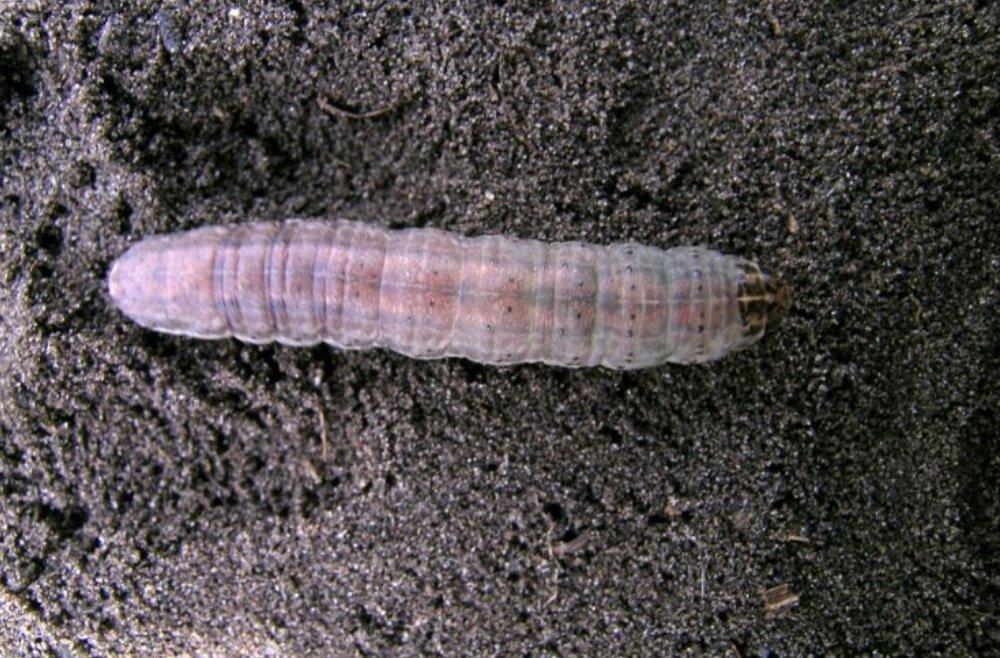
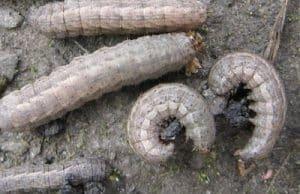
Photo: Pale western, red-backed, and dingy (left to right)
Cutworms prefer to lay eggs in fields that are drier in the fall. They also are drawn to lighter textured soils and fields that have flowering weeds or crop regrowth in the fall. Knowing field history will help weigh if cutworms might be an issue the following spring.
Scouting
Scout canola during establishment, looking for bare patches in the field with missing plants, foliage that has shown notching from feeding and cut off or wilting plants. Feeding will typically happen on south facing slopes where the soil is warmer and lighter textured. If bare patches are observed, begin scouting at the perimeter of the patch and scrape the dry soil till it meets the moist soil to try and find the cutworms. Cutworms won't feed in the heat of the day on the top of the soil surface. Cutworms will form a distinctive C shape when touchessd. When squished, actively feeding cutworms will show green material, while cutworms near the end of their larvae lifecycle will have brown material.
Economic Threshold
Action should be taken if 4-6 larvae per square meter have been identified or 25-30% stand reduction. Scout whole fields to determine damage. Sometimes patch spraying can be effective if only small areas are affected. If needed, apply a registered insecticide to control cutworms. Cutworms feed at night, so apply insecticide in the late evening or early morning to ensure effective control.
Cutworm outbreaks are unpredictable. Choosing canola seed treated with an insecticide will help to protect plant establishment in high-risk situations and fields with a history of cutworms and in the long run, protect yield.
For questions on cutworms, chat with your local UFA team member.
Want this resource as a PDF?